This tp link be3600 review looks at the Archer BE230, a dual-band Wi-Fi 7 router with two 2.5 Gbps ports, three gigabit LAN ports, and EasyMesh support.
It suits households seeking newer wireless features and flexible wired connections, provided a 6 GHz band is not a requirement.
Archer BE230 Review Summary
The quick verdict
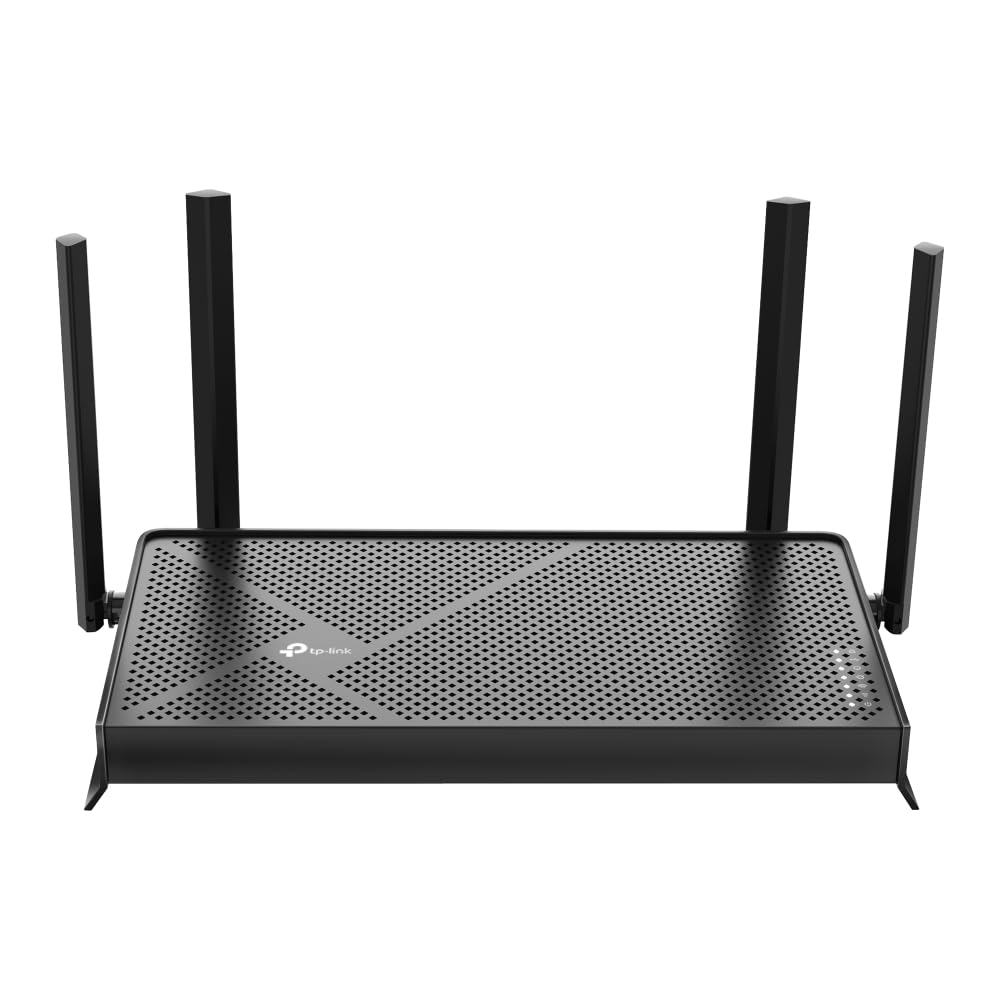
1,000+ ratings
Read Amazon ReviewsTP-Link Archer BE230
A sensible fit for homes wanting Wi-Fi 7, multi-gig wired connections, and mesh expansion without needing a 6 GHz band.
- Dual-band Wi-Fi 7 with maximum rates of up to 2,882 Mbps on 5 GHz and 688 Mbps on 2.4 GHz; it does not include a 6 GHz band.
- Wi-Fi 7 features include Multi-Link Operation, Multi-RUs, and 4K-QAM.
- Wired ports: one 2.5 Gbps WAN/LAN port, one 2.5 Gbps LAN port, and three 1 Gbps LAN ports.
- Coverage is specified at up to 2,000 square feet and up to 60 devices; four internal antennas and beamforming focus signals toward connected devices.

Pros
- Two 2.5 Gbps ports give the router more wired flexibility than a gigabit-only layout.
- Wi-Fi 7 features offer a path to newer device capabilities while retaining compatibility with earlier Wi-Fi generations.
Consider before buying
- There is no 6 GHz band, which may matter to buyers specifically seeking tri-band Wi-Fi 7.
- The stated wireless rates and coverage are maximums; walls, distance, interference, client devices, and internet service can affect results.
Read the full review summary
The Archer BE230 combines Wi-Fi 7 features such as Multi-Link Operation, Multi-RUs, and 4K-QAM with a wired layout that includes one 2.5 Gbps WAN/LAN port, one 2.5 Gbps LAN port, and three 1 Gbps LAN ports.
Its stated wireless maximums are up to 2,882 Mbps on 5 GHz and 688 Mbps on 2.4 GHz; those are theoretical link rates, not a promise of real-world throughput.
This design is best suited to a home with compatible Wi-Fi 7 devices, a multi-gig internet plan or wired equipment, and coverage needs within a single-router setup or an EasyMesh expansion.
Its dual-band design omits 6 GHz, and the coverage and device figures are stated maximums, so larger or more obstructed homes should plan around the layout rather than assume uniform speeds everywhere.
The buying factors
Archer BE230 Scorecard
Editorial scores reflect listed features and buyer fit; they are not laboratory measurements or customer ratings.
Wi-Fi 7 feature set
Includes Multi-Link Operation, Multi-RUs, and 4K-QAM, but operates on two bands rather than including 6 GHz.
Wired connectivity
Two 2.5 Gbps ports provide useful multi-gig flexibility, alongside three gigabit LAN ports.
Coverage flexibility
Beamforming and EasyMesh support help address coverage needs, though actual reach depends on home conditions.
Device capacity
The stated capacity is up to 60 devices, a useful planning figure for a connected household.
Setup and management
The Tether app is provided for setup, settings, and firmware updates.
Smart home management
HomeShield includes network protection, parental controls, and IoT security features.
Key Features and Specifications of Archer BE230
- Dual-band Wi-Fi 7 with maximum rates of up to 2,882 Mbps on 5 GHz and 688 Mbps on 2.4 GHz; it does not include a 6 GHz band.
- Wi-Fi 7 features include Multi-Link Operation, Multi-RUs, and 4K-QAM.
- Wired ports: one 2.5 Gbps WAN/LAN port, one 2.5 Gbps LAN port, and three 1 Gbps LAN ports.
- Coverage is specified at up to 2,000 square feet and up to 60 devices; four internal antennas and beamforming focus signals toward connected devices.
- EasyMesh compatibility allows it to work with compatible routers and range extenders to form a mesh network.
- The Tether app supports setup, network management, and firmware updates; HomeShield provides network, parental-control, and IoT security features.
Pros and Cons of Archer BE230
Pros
- Two 2.5 Gbps ports give the router more wired flexibility than a gigabit-only layout.
- Wi-Fi 7 features offer a path to newer device capabilities while retaining compatibility with earlier Wi-Fi generations.
- EasyMesh support gives buyers an option to extend coverage with compatible equipment.
- The Tether app and HomeShield features bring setup and several network-management tools into one ecosystem.
Consider before buying
- There is no 6 GHz band, which may matter to buyers specifically seeking tri-band Wi-Fi 7.
- The stated wireless rates and coverage are maximums; walls, distance, interference, client devices, and internet service can affect results.
- A separate modem is required for most internet providers, adding a device and setup step to the network.
Who Should Buy Archer BE230?
Good fit
Consider the Archer BE230 if you want a dual-band Wi-Fi 7 router with multi-gig wired connections and have a practical need for two 2.5 Gbps ports.
That layout can be useful when connecting a multi-gig modem or internet service alongside a wired device, while the three gigabit LAN ports accommodate additional equipment.
It is also a reasonable fit for a household planning to add compatible Wi-Fi 7 devices over time.
The router remains backward compatible with earlier Wi-Fi generations, and EasyMesh provides a way to expand coverage if one unit does not suit the home layout.
Before choosing it, check whether your internet service requires a modem, whether the modem and wired devices can use the available port speeds, and whether the lack of 6 GHz fits your device plans.
Treat the coverage figure as a planning guide, especially where walls or multiple floors separate devices from the router.
Who should skip it
Look elsewhere if a 6 GHz band is central to your Wi-Fi 7 plans, or if you want tri-band operation for compatible devices.
A single router may not be the right fit if your home has difficult coverage areas and you do not plan to add compatible mesh equipment.
Check your floor plan and device locations before relying on the stated coverage maximum.
What the Archer BE230 Means for a Home Network
Dual-band Wi-Fi 7 in context
The Archer BE230 brings selected Wi-Fi 7 features to the 2.4 GHz and 5 GHz bands. Multi-Link Operation, Multi-RUs, and 4K-QAM may be relevant with compatible clients, but the router does not offer 6 GHz.
Buyers should decide whether those two bands match their devices and congestion needs before treating the Wi-Fi 7 label as the deciding factor.
Two multi-gig ports add flexibility
One 2.5 Gbps port can serve as WAN or LAN, while a separate 2.5 Gbps port is dedicated to LAN use.
That gives the setup room for a multi-gig internet connection and a fast wired device, with three additional gigabit LAN ports for other equipment.
Check the speed capabilities of the modem and connected devices to see whether the faster ports will be useful.
Coverage and expansion depend on the home
The stated maximum coverage and device count offer a rough sense of the router's intended scale, while four internal antennas and beamforming describe how it directs wireless signals.
Neither number guarantees a particular result through walls or across floors. EasyMesh compatibility offers an expansion route when coverage needs exceed what one router can provide, assuming compatible equipment is used.
Setup and ongoing controls
TP-Link's Tether app handles setup and network management, including firmware updates. HomeShield adds network protection, parental controls, and IoT security features.
Buyers who prefer app-based management may find this convenient; those comparing security tools should review which controls fit their household and devices.
Alternatives to Archer BE230
Computer Routers alternative
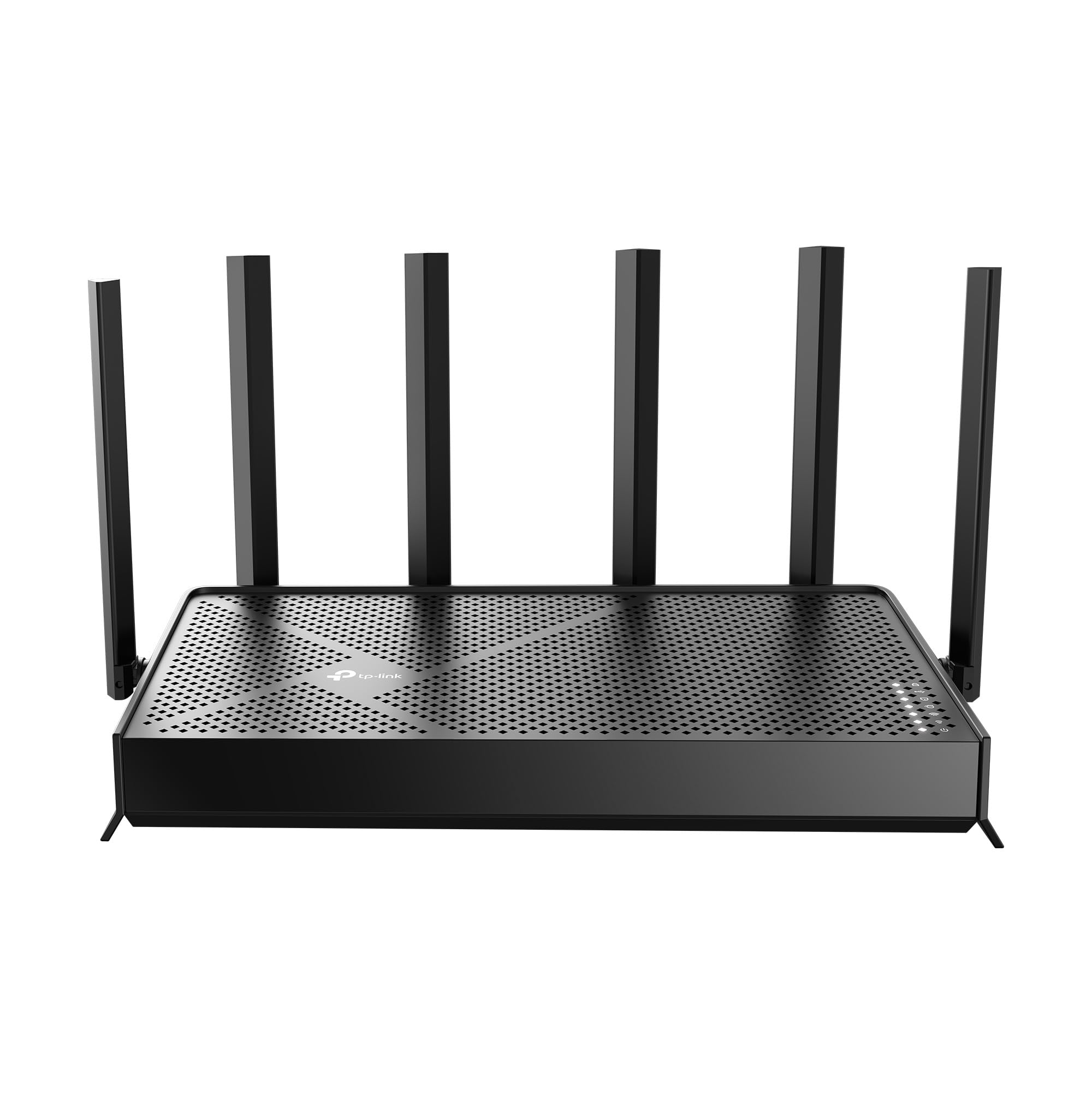
600+ ratings
Read Amazon ReviewsTP-Link Archer BE600
Choose the BE230 if dual-band connectivity and its two 2.5 Gbps ports meet your needs.
The BE600 is the more suitable comparison if you want tri-band Wi-Fi 7, a 10 Gbps port, or more multi-gig LAN connections, and are prepared to choose a router with higher stated capacity.
- The Archer BE600 is a tri-band Wi-Fi 7 router with a 10 Gbps WAN/LAN port, a 2.5 Gbps WAN/LAN port, and three 2.5 Gbps LAN ports.
- Its stated coverage is up to 2,600 square feet for up to 120 devices, and it supports channels up to 320 MHz.
- The Archer BE230 is dual-band, with two 2.5 Gbps ports and a stated coverage maximum of up to 2,000 square feet for up to 60 devices.
Computer Routers alternative
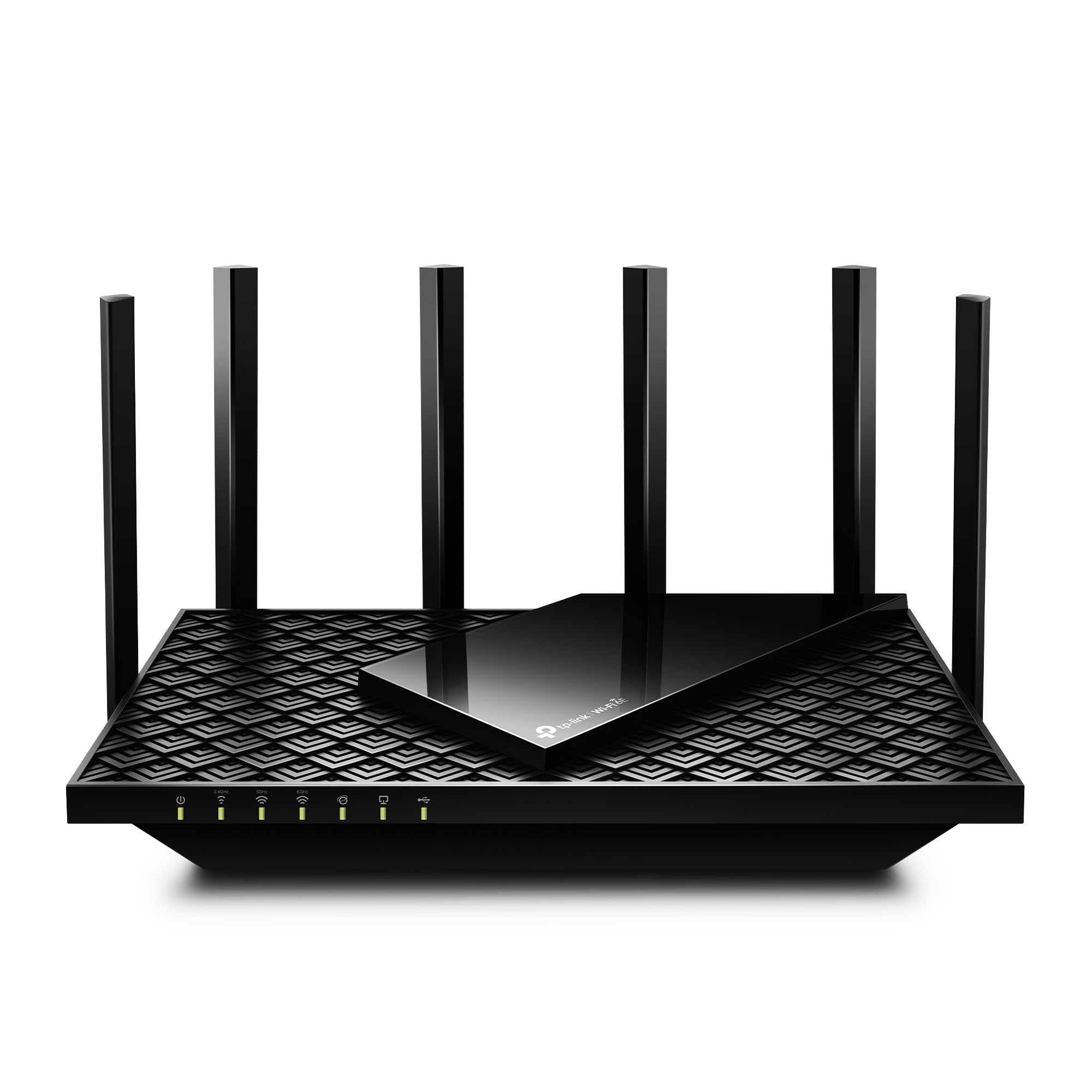
5,000+ ratings
Read Amazon ReviewsTP-Link Archer AXE75
Consider the AXE75 if access to a 6 GHz band is the priority and Wi-Fi 6E meets your needs.
The BE230 is a better fit if you want Wi-Fi 7 features and a second 2.5 Gbps port for LAN use; their different generations and band layouts make device compatibility a key choice.
- The Archer AXE75 is a tri-band Wi-Fi 6E router with a 6 GHz band rated up to 2,402 Mbps, a 2.5 Gbps WAN port, and OneMesh support with compatible extenders.
- The Archer BE230 is a dual-band Wi-Fi 7 model with two 2.5 Gbps ports, but it has no 6 GHz band.
Is Archer BE230 Worth It?
The TP-Link Archer BE230 is worth considering for a home that can make use of Wi-Fi 7 features, two 2.5 Gbps ports, and app-based management.
Its wired layout and EasyMesh compatibility make it adaptable for common home networking needs.
Buy it if dual-band operation fits your devices and you value the extra multi-gig LAN connection. If 6 GHz, tri-band service, or broader stated coverage is central to your plans, compare routers designed around those requirements before deciding.
Your review at a glance
1,000+ ratings
Read Amazon ReviewsTP-Link Archer BE230
A sensible fit for homes wanting Wi-Fi 7, multi-gig wired connections, and mesh expansion without needing a 6 GHz band.
- Dual-band Wi-Fi 7 with maximum rates of up to 2,882 Mbps on 5 GHz and 688 Mbps on 2.4 GHz; it does not include a 6 GHz band.
- Wi-Fi 7 features include Multi-Link Operation, Multi-RUs, and 4K-QAM.
- Wired ports: one 2.5 Gbps WAN/LAN port, one 2.5 Gbps LAN port, and three 1 Gbps LAN ports.
- Coverage is specified at up to 2,000 square feet and up to 60 devices; four internal antennas and beamforming focus signals toward connected devices.